ELEVATING LUXURY LIVING: STRATEGIC APPROACHES TO HIGH-CALIBER RESIDENTIAL DESIGN
- Feb 17
- 3 min read
Luxury residential design demands more than just aesthetic appeal. It requires a thoughtful, strategic approach that balances form, function, and the unique lifestyle needs of discerning homeowners. The executive eye in residential design means guiding every decision with precision, ensuring that each element contributes to a cohesive, elevated living experience. This post explores how strategic stewardship shapes high-caliber homes that stand out for their quality, comfort, and timeless elegance.

Understanding the Client’s Vision and Lifestyle
A successful luxury home begins with a clear understanding of the client’s lifestyle, preferences, and long-term goals. This step goes beyond surface-level tastes to uncover what truly matters to the homeowner. For example, a family that values entertaining will prioritize open, flexible spaces and seamless indoor-outdoor flow. In contrast, a client focused on privacy and relaxation might emphasize secluded garden areas and soundproof rooms.
Key questions to explore include:
How do residents use their home daily?
What are their must-have features and spaces?
Are there specific design styles or materials they prefer?
How do they envision the home evolving over time?
This deep insight allows designers to tailor every detail, from room layout to lighting, ensuring the home supports the client’s unique way of living.
Integrating Functionality with Aesthetic Excellence
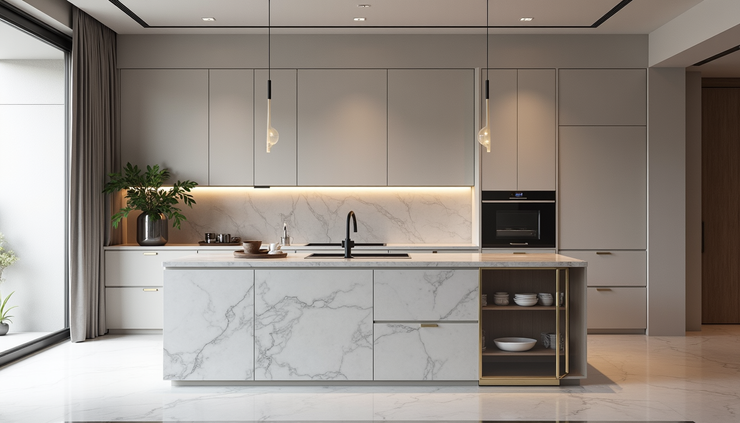
Luxury design is not just about beauty; it must also deliver practical benefits. Strategic stewardship means balancing visual appeal with usability. For instance, custom cabinetry in a kitchen should not only look stunning but also provide efficient storage and workflow. Similarly, lighting design should enhance mood and highlight architectural features while offering flexibility for different activities.
Consider these practical strategies:
Use zoning to separate public and private areas, improving flow and privacy.
Select durable, high-quality materials that age well and require minimal maintenance.
Incorporate smart home technology discreetly to enhance comfort and security.
Design multi-functional spaces that adapt to changing needs, such as guest rooms doubling as home offices.
By focusing on both form and function, designers create homes that feel luxurious and liveable every day.
Collaborating with Skilled Craftsmen and Specialists
High-caliber residential design depends on the expertise of a skilled team. Strategic stewardship involves selecting and coordinating with craftsmen, artisans, and specialists who bring the vision to life with precision and care. This collaboration ensures that every detail, from custom millwork to unique lighting fixtures, meets the highest standards.
Examples of key partnerships include:
Working with local artisans to source bespoke furniture or decorative elements.
Engaging landscape architects to design gardens that complement the home’s style.
Coordinating with lighting designers to create layered, dynamic illumination.
Consulting engineers early to integrate structural innovations without compromising aesthetics.
Strong communication and clear expectations help maintain quality and avoid costly delays during construction.
Emphasizing Sustainability and Longevity
Luxury homes built today must consider environmental impact and future-proofing. Strategic stewardship includes selecting sustainable materials and energy-efficient systems that reduce the home’s carbon footprint while enhancing comfort. This approach also protects the homeowner’s investment by ensuring the property remains desirable and functional for decades.
Practical steps include:
Using reclaimed or responsibly sourced wood and stone.
Installing high-performance windows and insulation to improve energy efficiency.
Incorporating solar panels or geothermal heating where feasible.
Designing for natural ventilation and daylight to reduce reliance on artificial systems.
Sustainability in luxury design is not just a trend but a commitment to quality and responsibility.
Creating a Cohesive Design Narrative
A high-caliber home tells a story through its design elements. Strategic stewardship means weaving a consistent narrative that reflects the client’s personality and the home’s setting. This narrative connects architecture, interior design, landscaping, and art into a unified whole.
Tips for building a strong design narrative:
Choose a color palette that flows naturally from room to room.
Select materials and textures that complement each other and the environment.
Incorporate meaningful art and decor that resonate with the homeowner.
Use architectural details to highlight the home’s character and craftsmanship.
This thoughtful layering of elements creates a home that feels intentional, inviting, and uniquely personal.

Final Thoughts on Strategic Stewardship in Luxury Residential Design
Strategic stewardship in high-caliber residential design transforms houses into homes that embody luxury, comfort, and individuality. By understanding client needs, balancing beauty with function, collaborating with experts, prioritizing sustainability, and crafting a cohesive design story, designers create spaces that enrich lives and stand the test of time.


Comments